The whole idea, in a minute. Sound on — or just read on.
What actually goes missing
You already know the headlines. You know which town your father grew up in, roughly when your mother started working, the year they married. Those facts are safe — they get repeated at every wedding.
What disappears is the texture underneath them. What the street smelled like at six in the morning. The thing his mother said when she was angry, in the exact words she said it. How much salt, and when. The name of the dog. What she was frightened of at nineteen, and whether it turned out to matter.
Nobody withholds this. It goes because it never comes up — it's too small to volunteer and too specific to ask about unless you know it exists. The texture is lost not to time but to the absence of a question.
Why the big question fails
Ask someone to tell you their life story and you've handed them an essay prompt with no word limit and no first line. Most people respond with a shrug and a summary — "we managed, it was a different time" — because the question offers nowhere to stand.
Small, specific, sensory questions do the opposite. "What did your school bag look like?" is answerable in one breath, and it almost always pulls three other memories out with it. That's the whole technique: you're not asking for the story, you're asking for a detail and letting the story follow it.
Six things that make it work
- One question at a time, and make it small. One good question per sitting is plenty. A list of twenty makes it an interview, and interviews make people perform.
- Ask about objects, rooms and food — not chronology. Memory isn't stored by date, it's stored by sense. "What was in the kitchen?" gets you further than "what happened in 1974?"
- Record the voice, not a transcript. In twenty years the words will matter, but the voice will matter more — the pauses, the laugh in the middle of a sentence, the accent that your own children won't have. A transcript preserves information. A recording preserves a person.
- Ask while they're doing the thing. Nobody can dictate a recipe from an armchair; the hands remember what the head doesn't. Ask at the stove, in the garden, while they're looking through a drawer.
- Let them answer in their own language. People are more articulate, funnier and more honest in their first language. Never make someone translate their own childhood for you — get the original and translate afterwards.
- Don't save it for a big occasion. The best material arrives on an ordinary Tuesday, unprompted, in a two-minute voice note. Set the thing up so it can catch a Tuesday.
One more, and it's the one people get wrong most often: don't correct them. If a date is off or a story has drifted, let it. You're not building a historical record — you're keeping the way they tell it, which is the part your grandchildren will actually want.
45 questions that actually open people up
Grouped by the door they open. Use one at a time. The ones in the last group are the hardest to ask and the ones people are most grateful to have asked.
Childhood & the house they grew up in
- What did the house you grew up in smell like?
- Which room did everyone actually sit in?
- What did you carry your books to school in?
- Who lived next door, and what were they like?
- What did you do on a day with nothing planned?
- What was the first thing you ever bought with your own money?
- Was there an animal in the house? What was its name?
- What did your mother say when she was angry — in her words, not a translation?
Food & the kitchen
- What did Sunday lunch look like when you were ten?
- Which dish did your mother make that nobody else could?
- What's the one thing you can cook without measuring anything?
- Who taught you to cook, and were you any good at first?
- What did you eat when there wasn't much money?
- What food do you miss that you can't get any more?
- Is there a dish that always meant something had gone right?
Work, money and getting by
- What was your first job, and what did it pay?
- What did you actually want to be?
- Who was the first person who took you seriously?
- What's the hardest year you had, and how did it end?
- What did you buy the first time you had a little spare?
- Was there a decision you agonised over that turned out not to matter?
- Is there a job you did that nobody in this family knows about?
- What did you learn about money that you never told me?
Love, marriage and friendship
- Where were you the first time you saw each other?
- What did you think of them, honestly, that first week?
- Who disapproved, and what happened?
- What did your wedding day actually look like — not the photos, the day?
- Who was your closest friend at twenty-five? Where are they now?
- What's the kindest thing anyone has done for you?
- What do you argue about that you've never resolved and no longer mind?
Us — the part only they can tell
- What was I like as a baby, in one sentence?
- What did you worry about with me that I never knew?
- What's a thing I did as a child that you still laugh about?
- When did you realise I'd actually be alright?
- Was there a moment you were proud of me that you never mentioned?
- What did you find hardest about being a parent?
- What did you get wrong, if anything, and did it keep you up?
- What was it like the day I left?
The ones worth asking
- What's something you believe now that you didn't at thirty?
- Is there anyone you wish you'd said something to?
- What would you like your grandchildren to know about you?
- Which object in this house would you want kept, and why that one?
- What do you want said about you — and what would you rather nobody said?
- What are you proudest of that nobody else would think to mention?
- Is there a story you've never told anyone in this family?
If you only ever ask one: "What would you like your grandchildren to know about you?" It's the only question on the list that hands them the pen.
How Hertis does this without it becoming a project
The reason most families never record any of this isn't reluctance — it's that it requires someone to sit down, run an interview, and then manage the files. It becomes a project, and projects get postponed. Hertis turns it into a habit instead: one gentle question at a time, answered by voice, kept automatically.
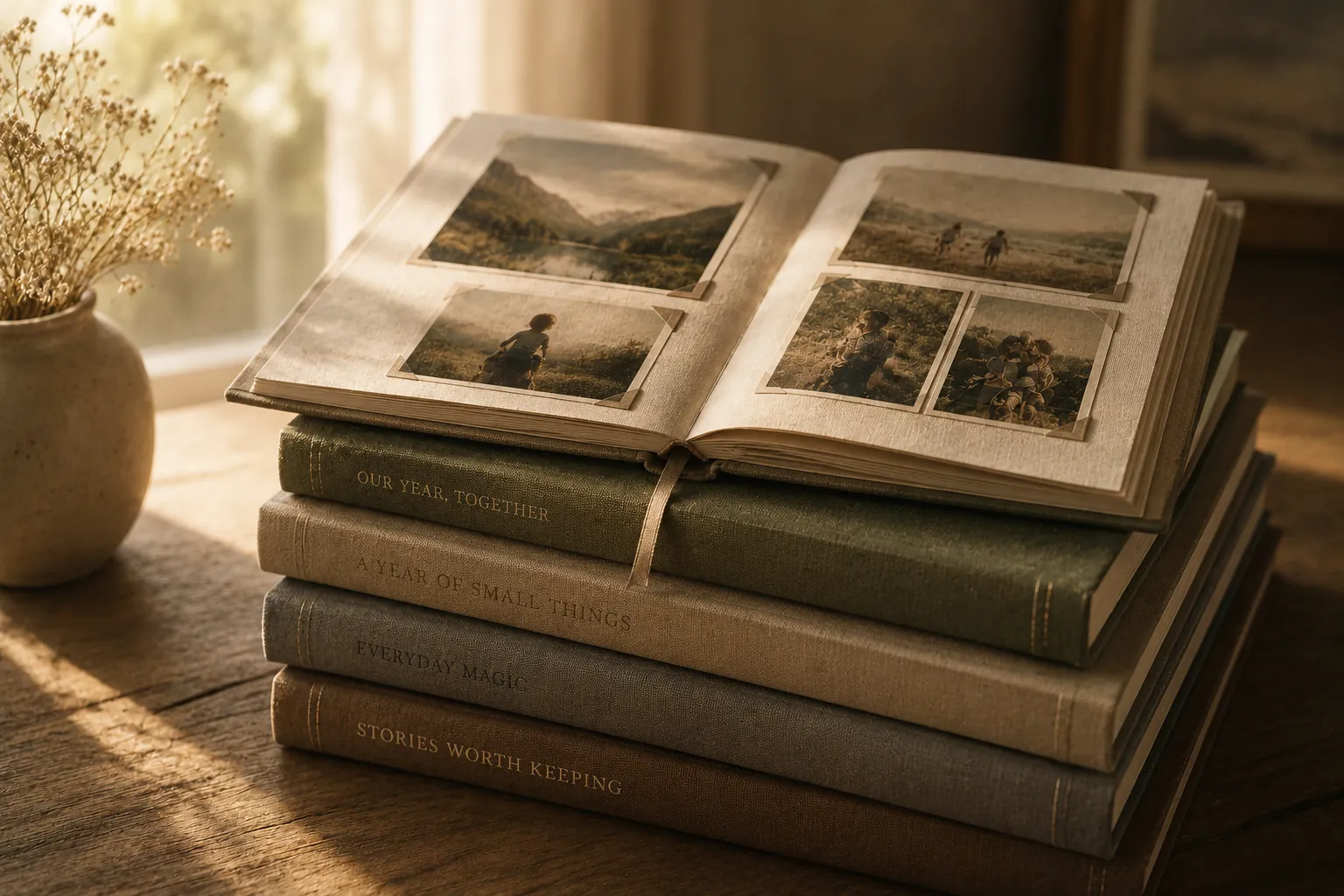
Story Vault
Guided life-story capture, one gentle question at a time — becoming chapters your family keeps forever. Nobody has to run an interview; the questions arrive on their own, and they answer in their own voice when they feel like it.

Family Recipes
Ask for the dish you grew up on. They tell it in their own voice, at their own stove — and the family cooks along with them, forever. The measurements arrive the way they actually exist: a little, until it looks right.
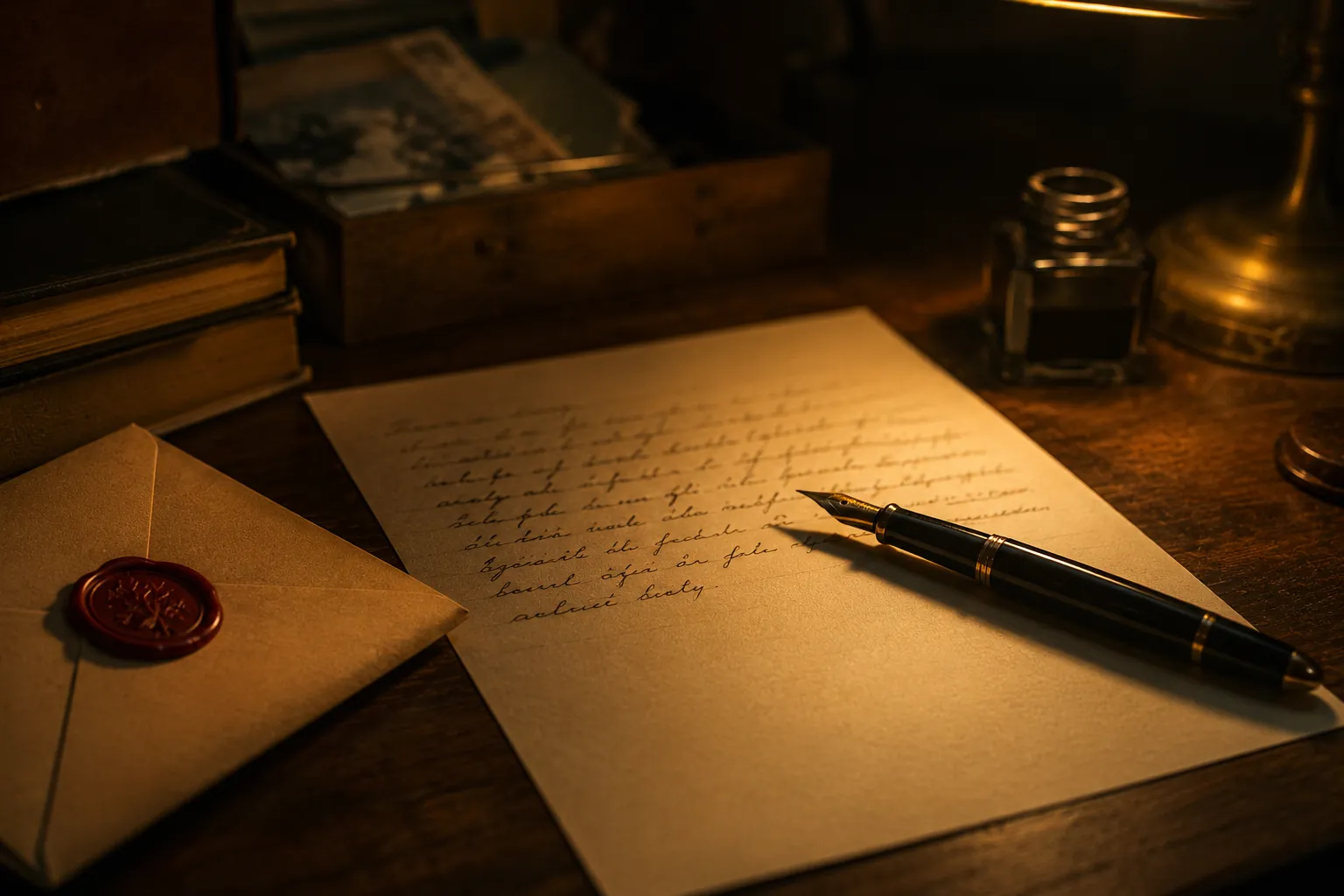
Cross-language
They write or speak in their language, you read in yours — and the original words are always one tap away. The original is sacred; the translation is a courtesy. Nobody has to translate their own childhood.
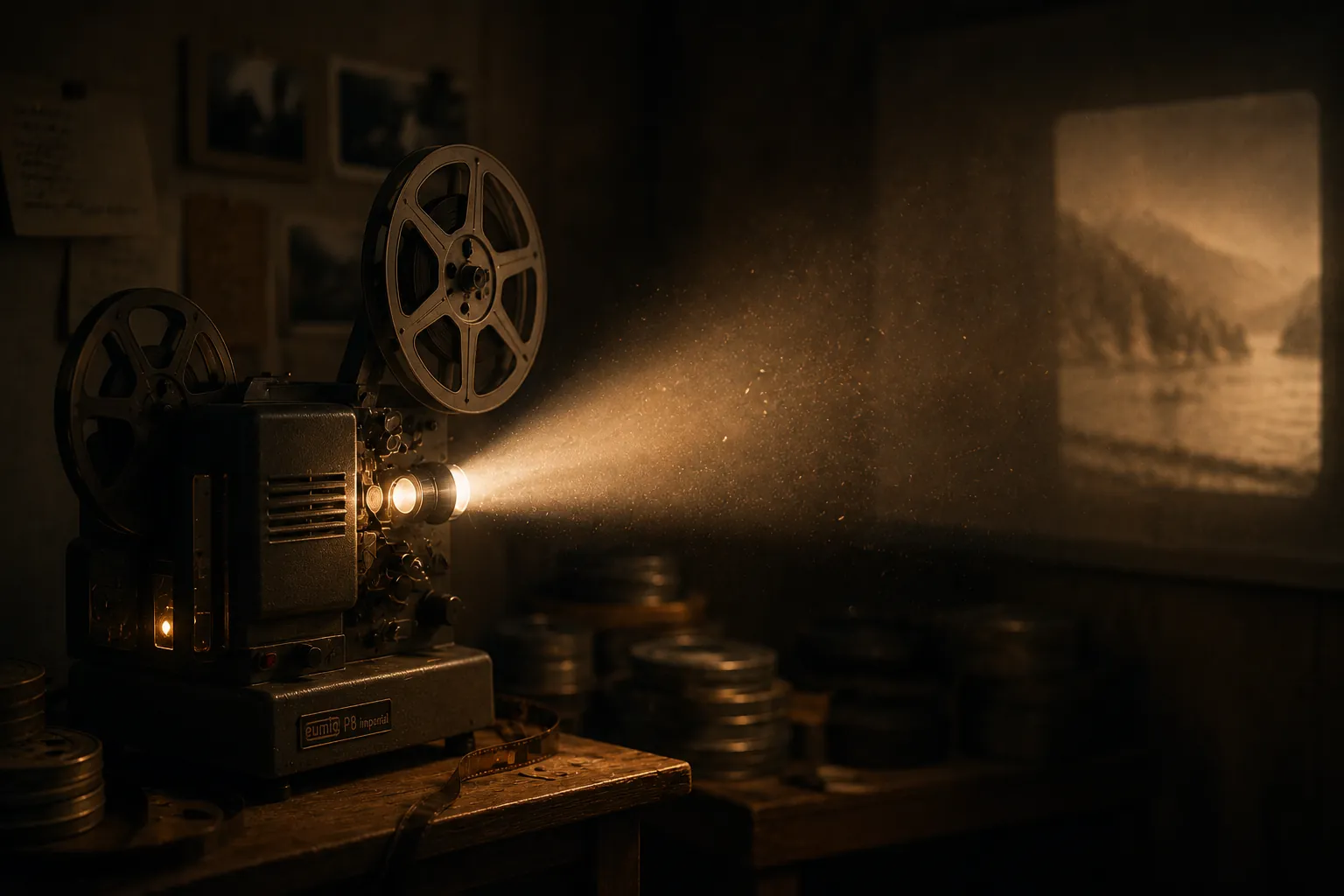
The Memory Film
Once a year, Hertis weaves your family's real moments — narrated in their real voice — into a film. Not a slideshow of everything; the year as it was actually lived, told by the person who lived it.
Story Vault, Family Recipes, cross-language and the annual Memory Film are on the Family plan at $6.99 a month for the whole family — and your parents never pay for anything, ever. Nothing is ever deleted on any plan — and the optional Legacy Guarantee ($149, once) puts that in writing forever.
Questions people ask
Whatever they'll actually use. A phone voice note beats a good microphone they feel self-conscious in front of. Two rules that matter more than equipment: capture them talking rather than reading, and store it somewhere that isn't only your phone — a single lost device is how most of these recordings disappear.
Almost everyone says this, and it's a response to the size of the question rather than a real belief. Ask about a specific object instead — a school bag, a kitchen, a neighbour. People who "have nothing to say" will talk for twenty minutes about a bicycle they had in 1968.
Beautifully — and it's better this way round. They speak in theirs, you read in yours, and the original words are always kept and always one tap away. You get the version they'd actually tell a friend, not the simplified one they'd translate for you.
A transcript preserves the information; a recording preserves the person. The pauses, the laugh halfway through a sentence, the accent your own children won't inherit — none of that survives on paper. Write it down as well if you like, but capture the voice first.
Nothing is ever deleted. Your archive waits for you, safe, exactly as you left it. The Legacy Guarantee makes that permanent in writing with a single payment, if you want it beyond any doubt.

Keep their voice, one question at a time.
Hertis opens soon. Join the waitlist and be first through the door.